Pink Book vs “eligible to sell” permit: what each one actually proves
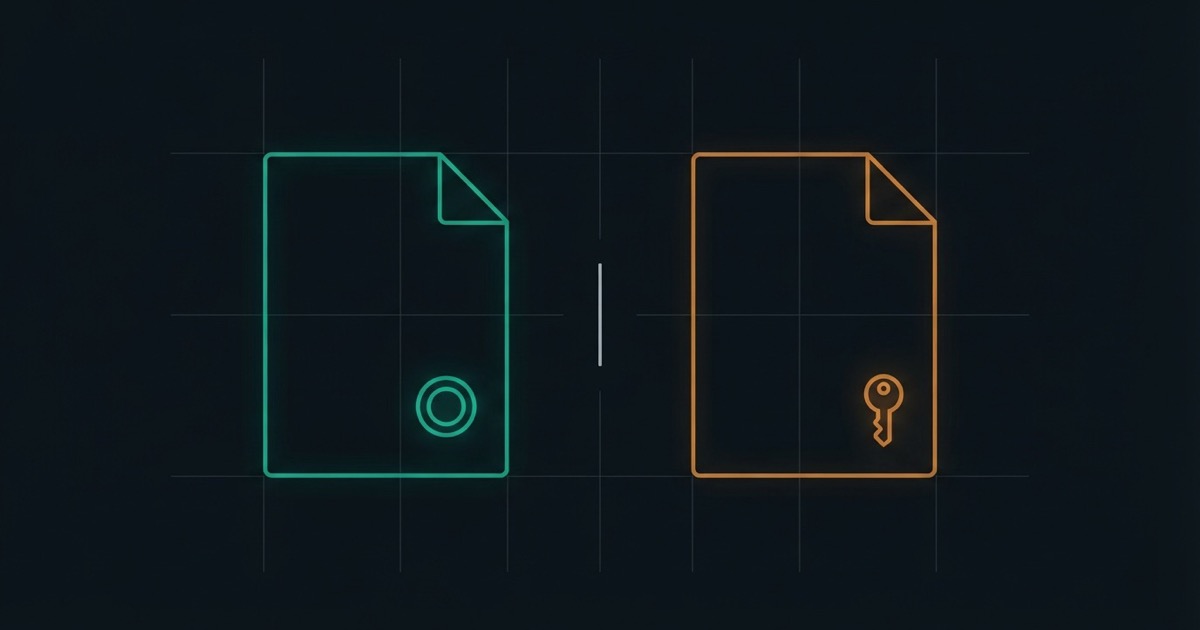
These two documents get mentioned in the same sales conversation, but they belong to different stages and answer different questions. Confusing them is a common reason buyers feel safe about the wrong thing.
Two different questions
| Eligible-to-sell permit | Pink Book (sổ hồng) | |
|---|---|---|
| Answers | May this project be sold yet? | Who owns this unit? |
| Exists | Before launch | After handover and paperwork |
| Scope | The project, or one phase / one tower | A single unit |
| Issued by | Department of Construction | Land registration authority |
Why the order matters
When you pay for an apartment that is not finished, the Pink Book does not exist yet — it is issued only after completion and registration. The only thing you can check at deposit time is the Department of Construction document.
In other words, asking “does the project have a Pink Book” at launch is the wrong question. The right one is “does it have the eligible-to-sell permit, what is the reference number, and what is the date”.
When a Pink Book does exist
For completed housing the Pink Book is the primary evidence — but still one input, not the conclusion. It records registered rights; it does not by itself confirm that the seller may transfer, that a foreign buyer is eligible to receive, or that the property is free of a mortgage and has co-owner consent.
Where Radar sits
Radar covers the left column only: matching project names against the eligible-to-sell documents that Departments of Construction publish. Radar does not check the Pink Book of an individual unit — that is done at the land registration authority with a specific parcel and map-sheet number.
To check the left column, paste a project name or listing URL here. For what that document is and why it caps deposits, see What the “eligible to sell” permit is.